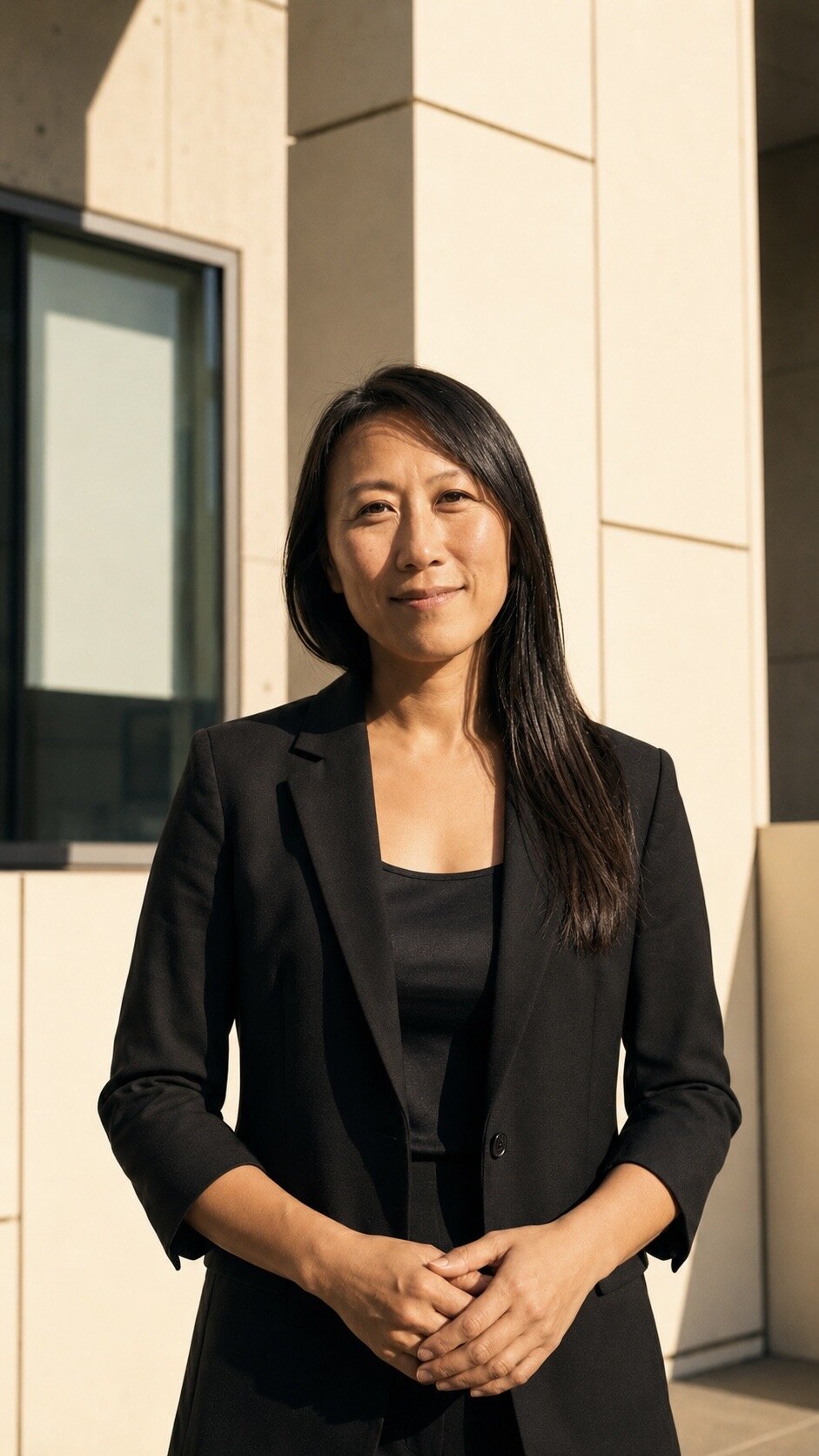
I work the human side of AI adoption.
Companies buy the tools. The value shows up only when the people and the systems around them shift.
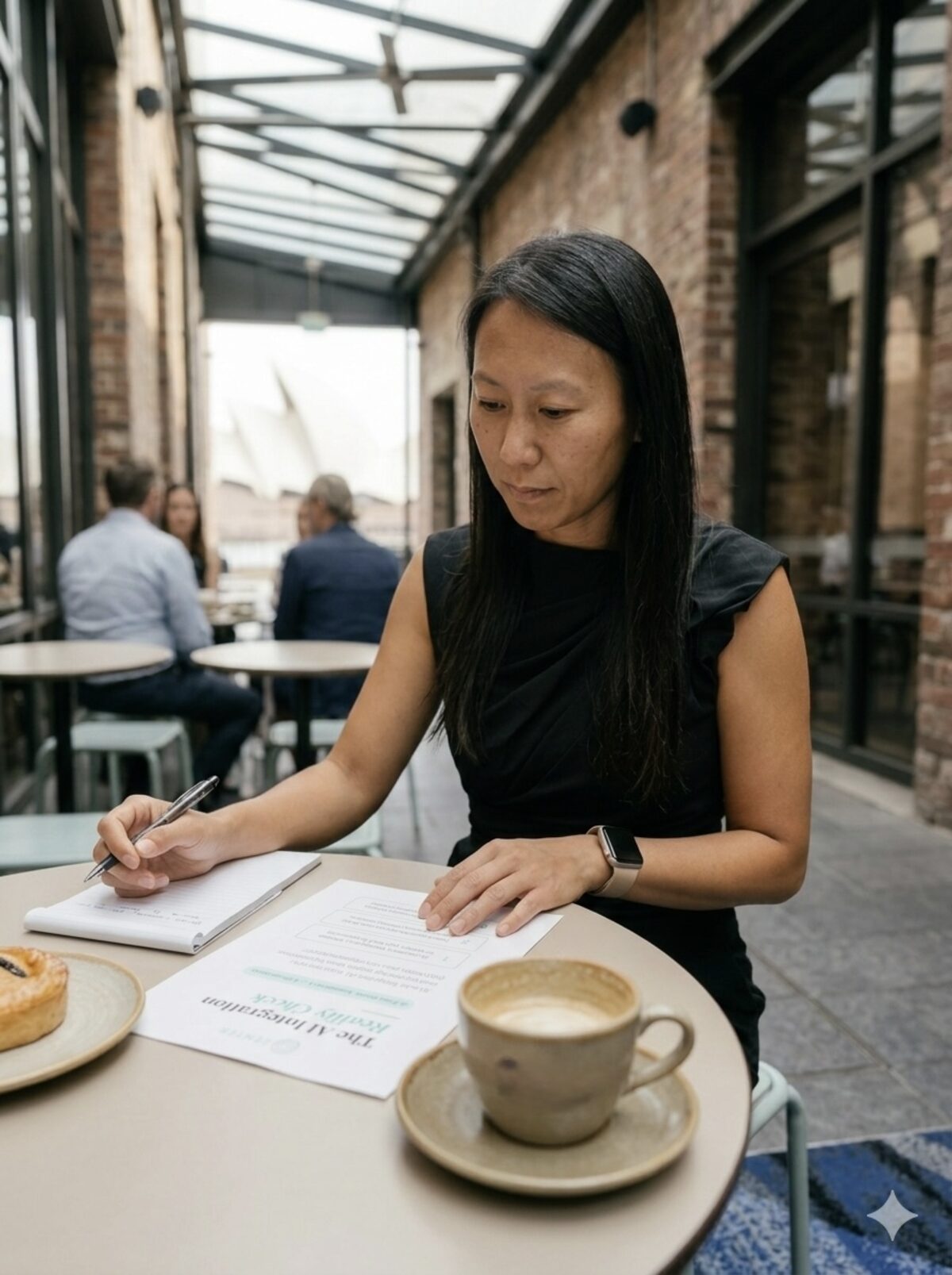
Natasha's career arc runs through pharmacology, law, government, and consulting, including enterprise org design and change work at PwC, into startups/tech and now into AI transformation. The pattern was the same in every room. Someone deploys a system. Someone else has to live inside it. The distance between those two is where things go wrong, and it is the distance she has spent a career bridging.
She advises in the field of AI transformation and helps the change land. The frameworks are how she does it in public. Three Gates for the decision, the Role Redesign Sprint for what the job becomes.
Natasha helps you decide well, change safely, redesign on purpose.
She is based in Sydney.
Have her in the room.
For keynotes, panels and conference talks, leadership sessions, and the occasional advisory engagement. She takes a few each year, and says yes to the ones that belong on the bio rather than the invoice.